


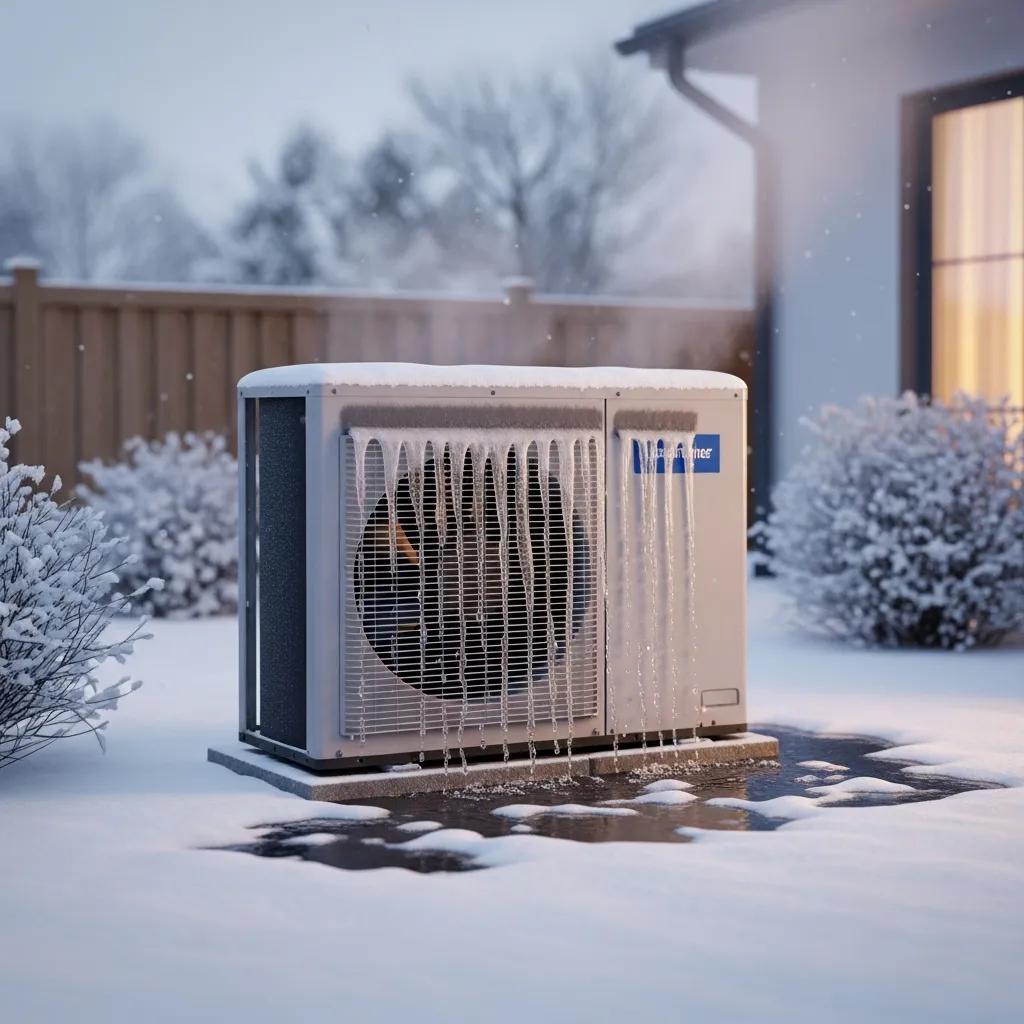
Heat Pump Defrost Troubleshooting: A Practical Guide for North Carolina Homeowners
Heat pumps keep homes comfortable through fall and winter, but a sticky or failing defrost cycle can make your system work harder and drive up energy bills. This guide explains how the defrost cycle works, what commonly goes wrong, and simple checks you can do at home. Read on to learn how to spot issues, when a quick fix will do, and when to call a pro so you don’t end up with freezing coils or surprise repair costs.
What Is the Heat Pump Defrost Cycle and Why Is It Important?
The defrost cycle clears ice from the outdoor coil so heat exchange can happen properly. When the coil gets cold and moisture freezes, frost or ice builds up and reduces heating efficiency. The system temporarily switches modes to warm the coil and melt that ice. Knowing how and why your unit defrosts helps you tell normal behavior from a problem that needs attention.
Research also shows defrost cycles can affect a home’s overall electricity use, so getting them right matters for comfort and bills.
Heat Pump Defrost Cycles & Residential Electricity Demand
Study examining how defrost cycles on air‑source heat pumps influence household electricity consumption, with an in‑depth look at defrost behavior and its energy effects.
Investigating the effect of the defrost cycles of air‑source heat pumps on their electricity demand in residential buildings, A Al‑Habaibeh, 2023
How Does the Defrost Cycle Prevent Ice Buildup on Heat Pumps?
During defrost the heat pump briefly reverses or redirects refrigerant so warm refrigerant flows across the outdoor coil. That raises coil temperature and melts frost. Temperature sensors watch the coil and tell the system when to start and stop defrosting. Most systems initiate defrost every 30 to 60 minutes under freezing, humid conditions, but timing varies by design and weather.
Engineers continue to refine defrost strategies to balance heating capacity and energy use.
Optimizing Heat Pump Defrost for Energy Efficiency
Research focused on optimized defrost sequences across repeated frost/defrost cycles to improve full‑cycle capacity and reduce energy consumption.
Optimal heat pump defrosting strategies for full‑cycle capacity and
COP maximization, H Ikram, 2025
What Are Normal Signs of a Properly Working Defrost Cycle?
A healthy defrost cycle usually shows these signs:
- Regular Defrosting : Your outdoor unit should enter defrost mode periodically and not develop heavy ice between cycles.
- Short Indoor Fluctuations : You might notice a brief dip in heating or a momentary change in airflow temperature during defrost — that’s normal.
- Quiet Operation : Defrosting shouldn’t cause loud grinding or banging; minor clicks and fan changes are typical.
What Are the Common Causes of Heat Pump Defrost Cycle Problems?
Several issues can interfere with defrosting and lower system efficiency. Identifying the likely causes helps you decide whether to troubleshoot or call a technician.
How Do Faulty Defrost Control Boards Affect Heat Pump Performance?
The defrost control board coordinates when and how the unit defrosts. If it’s failing, the heat pump may not defrost often enough, may defrost too often, or may show errors. Common signs include: heat pump services.
- Inconsistent Defrosting : The unit stays iced or jumps into defrost mode repeatedly.
- Error Codes : Modern systems often report control board or defrost faults via diagnostic codes.
In many cases a bad control board needs repair or replacement to restore reliable defrost operation.
What Role Do Defrost Sensors and Reversing Valves Play in Defrost Failures?
Defrost sensors tell the control board when the coil is cold enough to need defrosting. If a sensor reads incorrectly, defrost may never start. The reversing valve (on systems that use it) physically flips the refrigerant flow for defrost; if it sticks or fails, the system can’t switch modes and ice builds up. Periodic checks catch these faults before they cause repeated freezing.
Fault diagnosis for sensors and related components is an active research area, especially for advanced multi‑zone systems.
Heat Pump Defrost Fault Diagnosis & Sensor Issues
Paper presenting diagnostic methods for variable refrigerant flow and other systems, with attention to unsteady defrost cycles and sensor fault interactions.
Fault diagnosis method for building VRF system based on convolutional neural network: Considering system defrosting process and sensor fault coupling, 2021
How Can Homeowners Diagnose and Fix Heat Pump Defrost Cycle Issues?
There are safe, simple checks most homeowners can do to find common problems. We outline basic diagnostics and cleaning steps below — but when in doubt, call a trained HVAC services technician.
What Initial Checks Should You Perform for a Frozen or Iced-Up Heat Pump?

If your outdoor unit is frozen, start with these quick checks:
- Visual Inspection : Look for visible ice on the coil, bent fins, or obvious damage.
- Power Supply : Verify the unit has power and breakers or disconnects haven’t tripped.
- Airflow Assessment : Make sure plants, furniture, or debris aren’t blocking airflow around the unit.
How to Safely Clear Obstructions and Clean Outdoor Coils?
Clearing obstructions and keeping coils clean helps prevent icing. Follow these safe steps:
- Turn Off Power : Cut power at the breaker or service switch before you work near the unit.
- Remove Debris : Clear leaves, snow, and loose debris from around the outdoor unit to improve airflow.
- Clean Coils : Gently brush or use a manufacturer‑approved coil cleaner to remove dirt — avoid harsh pressure washing that can damage fins.
Regular cleaning and keeping the area clear reduce the chance of ice buildup and help your heat pump run more efficiently.
When Should You Call a Professional for Heat Pump Defrost Cycle Repairs?
Some fixes are fine for homeowners; others need a licensed technician. If basic checks don’t fix the problem, it’s time to call for service.
What Are the Signs That Require Expert Defrost Control Board or Sensor Repair?
Watch for these warning signs that point to component failure:
- Persistent Ice Buildup : Ice that returns quickly or never fully melts between cycles usually means a deeper issue.
- Unusual Noises : Grinding, clanking, or loud knocking during operation can indicate mechanical or valve problems.
- Error Codes : Diagnostic codes tied to defrost, sensors, or control boards should be evaluated by a technician.
Those symptoms often mean the defrost control board, sensors, or reversing valve need professional diagnosis and repair.
How Does Reinhardt Heating and Air Support NC Homeowners with Defrost Cycle Services?
Reinhardt Heating and Air is a veteran‑owned HVAC company with more than 30 years of local experience. We diagnose defrost problems, repair or replace control boards and sensors, and tune systems so they run efficiently. Our technicians work honestly and clearly — we’ll explain what’s wrong, show options, and help you choose the right repair or maintenance plan for your home.
How Does Regular Maintenance Prevent Heat Pump Defrost Cycle Problems?
Preventive care keeps components working and reduces surprise breakdowns. A routine service visit lets a technician spot worn sensors, sticky valves, or failing boards before they cause persistent ice or higher bills.
What Are the Benefits of Maintenance Plans for Heat Pump Efficiency?
A maintenance plan delivers practical benefits:
- Improved Efficiency : Regular tune‑ups help your heat pump run at peak performance and can lower energy costs.
- Extended Lifespan : Catching small issues early prevents major failures and stretches the life of your equipment.
- Peace of Mind : Scheduled service reduces cold‑weather surprises so your home stays comfortable when it matters most.
Those are the real advantages of proactive service for heat pump owners.
How Often Should Heat Pumps Be Serviced to Avoid Defrost Issues?
Plan for at least one professional service per year. In colder, wetter climates or on older systems, semi‑annual checks can be a smart choice. Regular inspections help spot sensor drift, control problems, and airflow issues before they lead to icing.
Frequently Asked Questions
What are the common signs that indicate a heat pump needs maintenance?
Look for uneven or weak heating, louder than usual operation, frequent on/off cycling, and a sudden jump in energy bills. Ice on the outdoor unit or poor airflow are clear signals to have the system checked.
How can I improve the efficiency of my heat pump?
Keep filters clean, clear the outdoor unit of debris, seal leaks in your home, and use a programmable thermostat. Annual professional maintenance will also keep the system operating efficiently.
What should I do if my heat pump is making strange noises?
Turn the unit off to prevent further damage and inspect for obvious debris. If noises continue after clearing the area, call a technician — strange sounds can mean issues with the compressor, fan motor, or heating repair components.
Can weather conditions affect the performance of my heat pump?
Yes. Very low temperatures and high humidity increase frost risk on the outdoor coil, and heavy snow or leaves can block airflow. Monitor the unit in bad weather and schedule maintenance if you see repeated icing.
How long does a heat pump typically last?
With proper maintenance, many heat pumps run 15 to 20 years. Usage patterns, care, and unit quality all affect lifespan — regular service helps get the most life from your equipment.
What are the benefits of upgrading to a newer heat pump model?
Newer models are more efficient, often quieter, and may include variable‑speed compressors and smart controls for better comfort and lower bills. You may also qualify for rebates or tax incentives, making an upgrade more affordable.
Why Is My Heat Pump Not Defrosting Properly?
Several issues can stop a heat pump from defrosting correctly, including:
- Faulty Sensors : Bad readings keep the control board from initiating defrost at the right time.
- Control Board Issues : A defective board can interrupt the defrost schedule or mismanage the cycle.
- Reversing Valve Problems : If the valve won’t shift, the system can’t enter the defrost mode it needs.
Pinpointing the cause helps you decide whether a homeowner fix is enough or a service call is required.
What Is the Typical Cost to Replace a Defrost Control Board?
Replacing a defrost control board commonly falls in the $300 to $700 range, depending on the unit make and labor. Exact cost varies by model and region — get a technician’s quote for an accurate estimate.
Conclusion
Understanding how the defrost cycle works and what can go wrong helps you keep your heat pump efficient and dependable. Regular maintenance, quick attention to strange noises or persistent icing, and timely professional repairs will protect comfort and reduce long‑term costs. If you need help diagnosing or repairing a defrost issue, contact a trusted HVAC professional who can walk you through options and get your system back to reliable operation.